
To serve brands exploring alternatives to animal-derived gelatin shells, SPARDER has upgraded and validated its plant-based softgel production line and is now accepting enquiries for customised projects. The scope of a particular product—including its shell, fill, packaging, testing and target-market suitability—must be confirmed during technical review.
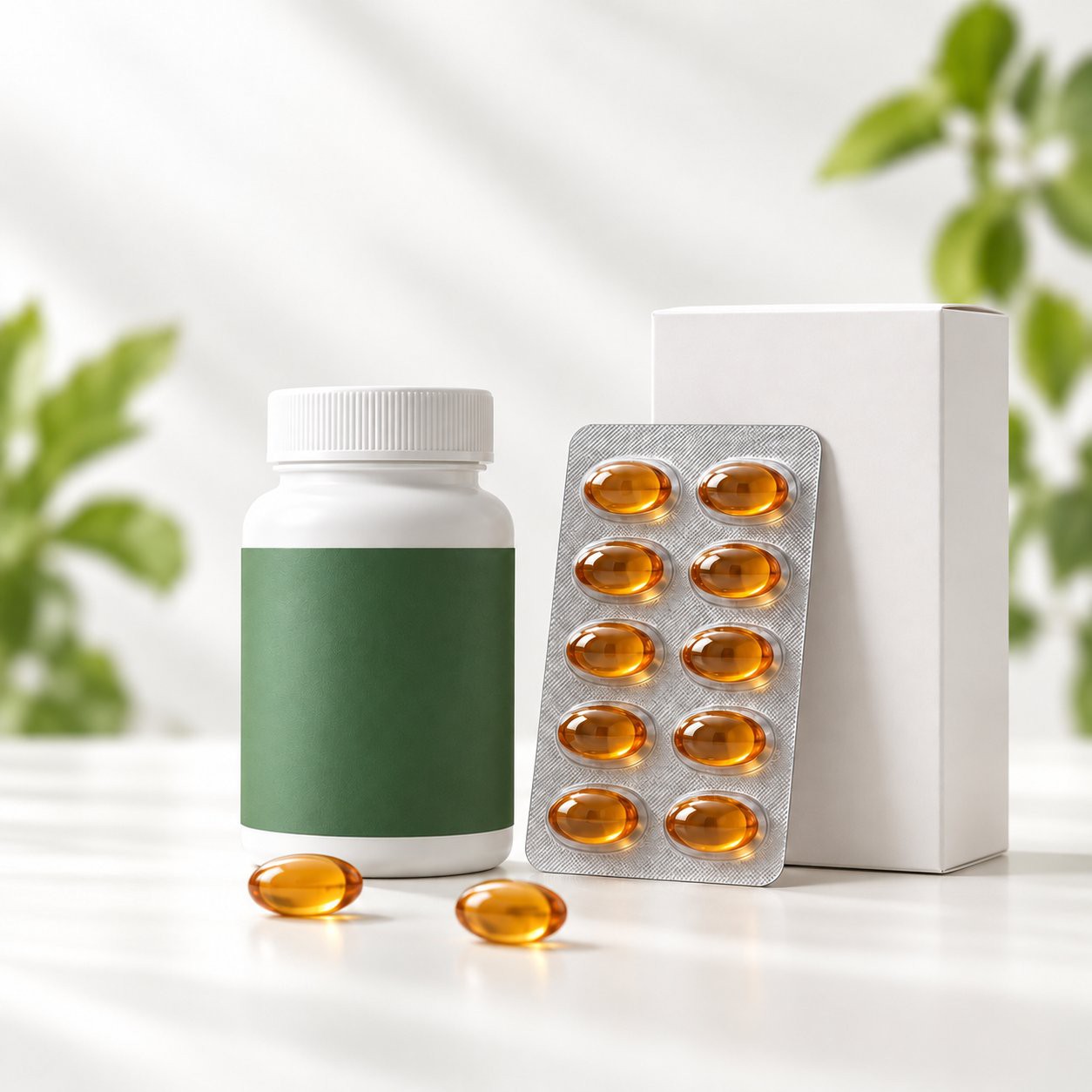
Why consider a plant-based softgel shell?
Conventional softgel shells commonly use animal-derived gelatin. Plant-based shells may instead use materials such as carrageenan or starch, depending on the formulation and manufacturing process. This can offer a development route for brands serving consumers who avoid animal-derived gelatin. However, a plant-based shell alone does not establish that the entire finished product is vegan, Halal-certified or suitable for any particular market; the fill ingredients, processing aids, production controls and applicable certification requirements must also be assessed.
Comparing shell development routes
| Consideration | Conventional gelatin shell | Plant-based shell |
|---|---|---|
| Typical shell material | Animal-derived gelatin, subject to specification | Plant-derived or other non-gelatin gelling system, subject to formula |
| Dietary positioning | Depends on the gelatin source and finished formulation | May support products designed without animal-derived shell material; full-product suitability requires review |
| Process development | Established shell and filling parameters | Shell composition, forming and drying parameters require product-specific trials |
| Claims and certification | Must be supported for the actual product | Must be supported for the actual product; no certification is implied by shell choice |
Customisation options
Formulation: The shell system and fill formulation can be developed together according to the product brief and technical feasibility. Ingredient use and claims remain subject to the intended market's requirements.
Size, shape and appearance: Capsule size, shape and colour can be discussed as part of sampling. Final options depend on formula stability and manufacturing validation.
Packaging and labelling: Packaging format and label content can be planned for the brand, with final artwork reviewed against the approved product and destination market.
Testing and documentation: The testing plan, acceptance criteria and supporting documents are agreed for the specific project. A report should be described only after the relevant testing has been completed.
How a project progresses
Requirements discussion: Confirm the product concept, target consumer, intended market, fill type and preferred pack.
Formulation and sampling: Develop shell and fill options, prepare samples and assess formability and stability.
Sample approval: Review appearance, sensory characteristics, specifications and proposed label information.
Quality review: Agree relevant physical, chemical and microbiological tests and review their results.
Production planning: Confirm validated process parameters, materials, batch requirements and delivery terms.
Delivery support: Provide the agreed product and supporting records, with subsequent service handled according to the project terms.
Sampling time, testing scope, minimum order quantity and lead time depend on the agreed product proposal. Please contact SPARDER with your project brief for a technical assessment.
Originally published in Chinese on September 21, 2026. This English edition converts the original Chinese comparison and process graphics into accessible text and clarifies project-specific review requirements.
 Return